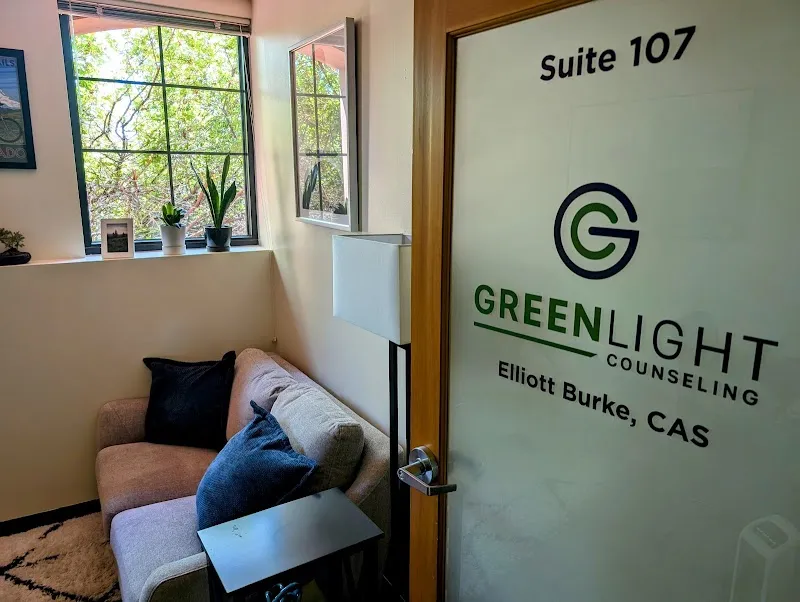
Dual diagnosis, also known as co-occurring disorders, is a term used to describe individuals who experience both a mental health disorder and a substance use disorder simultaneously. This complex situation requires specialized treatment strategies that address both issues concurrently. In Denver, CO, various treatment options are available for those struggling with dual diagnosis, offering hope and pathways to recovery.
Konprann Doub Dyagnostik la
Dual diagnosis signifies the presence of at least one mental health disorder along with a substance use disorder. This combination can complicate the recovery process, as symptoms of one disorder can exacerbate the other. Individuals may turn to drugs or alcohol as a means of coping with their mental health issues, leading to a vicious cycle that can be challenging to break.
Kondisyon komen ki ko-okipe
Several mental health disorders commonly co-occur with substance use disorders. Understanding these conditions can help individuals recognize their struggles and seek appropriate treatment. Some of the most prevalent co-occurring conditions include:
- Depresyon: This mood disorder can lead to feelings of sadness, hopelessness, and a lack of interest in activities, often resulting in self-medication through substance use.
- Twoub enkyetid: Generalized anxiety, panic disorder, and social anxiety can push individuals towards alcohol or drugs to alleviate their overwhelming feelings.
- Twoub Estrès Pòs-Twomatik (PTSD): Many individuals with PTSD may use substances to numb their emotional pain, leading to addiction.
- Twoub bipolè: The mood swings associated with bipolar disorder can lead to impulsive substance use during manic episodes, creating further complications.
Poukisa Tretman Entegre Enpòtan
Integrated treatment is essential for individuals with dual diagnosis, as it provides a comprehensive approach to recovery. This model addresses both mental health and substance use disorders simultaneously, which is crucial for several reasons:
- Swen Holistik: By treating both conditions at the same time, individuals receive a more complete form of care that recognizes the interplay between their mental health and substance use.
- Rezilta amelyore: Integrated treatment has been shown to lead to better recovery outcomes compared to sequential treatment, where one disorder is treated before the other.
- Redwi Risk pou Rechit: Addressing both issues simultaneously helps reduce the risk of relapse, as individuals learn coping strategies for both their mental health and substance use.
Finding Dual Diagnosis Programs in Denver
Denver offers a range of dual diagnosis treatment programs designed to help individuals on their journey to recovery. Here are some key steps to finding the right program:
- Research Treatment Centers: Look for facilities that specialize in dual diagnosis treatment. Many centers in Denver provide comprehensive care that includes therapy, medication management, and support groups.
- Check Credentials: Ensure that the treatment center employs licensed professionals experienced in treating co-occurring disorders.
- Consider Treatment Approaches: Different facilities may use various therapeutic models, such as Cognitive Behavioral Therapy (CBT), Dialectical Behavior Therapy (DBT), or holistic approaches. Find one that resonates with your needs.
- Li Revi yo: Patient testimonials can provide insights into the effectiveness of the program and the quality of care offered.
Kijan pou jwenn èd
Taking the first step towards recovery can be daunting, but help is available. Here are some practical steps to get started:
- Kontakte pou jwenn sipò: Talk to friends, family, or support groups. Sharing your struggles can alleviate feelings of isolation and provide encouragement.
- Konsilte yon pwofesyonèl: Schedule an appointment with a mental health professional who understands dual diagnosis. They can help assess your needs and recommend appropriate treatment options.
- Kontakte Sant Tretman yo: Once you have identified potential treatment centers, contact them to discuss their programs and how they can support your recovery journey.
- Explore Insurance Options: Check with your insurance provider to understand your coverage for dual diagnosis treatment. Many facilities work with insurance to help reduce costs.
Recovering from a dual diagnosis is a journey that requires patience, support, and the right treatment. In Denver, you will find compassionate care and a community dedicated to helping you reclaim your life. Remember, you are not alone, and help is just a call away.
Sober Network is a directory, not an intake form. Explore local facilities and contact providers directly.